How to Choose the Right In-Ear Monitor Mixer for Live Performances
For musicians and performers, nothing is more frustrating than struggling to hear yourself clearly on stage. That’s why in-ear monitoring has become the gold standard for live performances. It provides clarity, consistency, and personal control that traditional wedge monitors simply can’t match.
But the real key to getting the most from an in-ear system lies in choosing the right personal monitor mixer. With the right mixer, each performer has the power to craft their own mix—improving performance, reducing stress, and protecting hearing.

Why In-Ear Monitor Mixers Matter
A good in-ear monitor mixer allows each musician to:
- Balance their own mix (vocals, instruments, click tracks, etc.)
- Avoid “volume wars” on stage caused by competing wedges
- Protect hearing health by keeping levels consistent and lower
- Hear exactly what they need to perform confidently
Without this control, even the best in-ear monitors won’t solve common stage sound issues.

Key Features to Look For in a Personal Mixer
When evaluating mixers for live use, consider:
Number of Channels
How many audio sources can be mixed? For example, a singer may need just vocals, keys, and click, while a drummer might need a much fuller mix.
Ease of Use
Can performers quickly adjust their mix mid-performance without distraction? Intuitive controls are essential.
Sound Quality
High headroom and low noise ensure clarity, especially for vocals and subtle instruments.
Flexibility
Look for features like stereo mixing, ambience controls, or the ability to save mixes for consistency across performances.
Integration
How easily does the mixer connect to your existing system—digital consoles, Dante, or Aviom’s own A-Net networking?

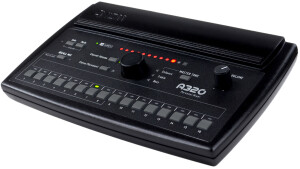
Spotlight: The Aviom A320 Personal Mixer
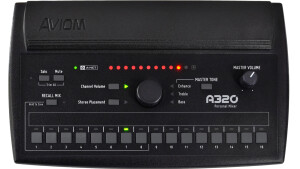
One of the most popular solutions for live monitoring is the Aviom A320, a personal mixer designed specifically for performers who want quick, intuitive control.
Key Features:
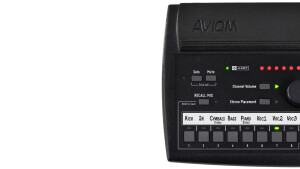
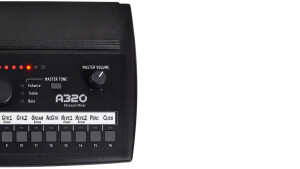
- 16 stereo or mono mix channels
- Large, easy-to-grab volume knobs—ideal on dark stages
- Per-channel volume & pan for precise placement in the stereo field
- Three-band master tone controls (bass, treble, presence)
- Save and recall up to 8 custom mixes
- Works seamlessly with Aviom’s A-Net networking
Performers can dial in exactly what they need, whether it’s more lead vocal, tighter drum mix, or added keys without relying on an engineer mid-show.
Who Benefits Most from Personal Mixers?
- Touring bands who need consistent monitoring night after night
- Church worship teams balancing multiple vocalists and instruments
- Theatre productions where performers must hear cues clearly
- Drummers and vocalists who rely on precise mixes for timing and pitch
Getting Started with In-Ear Mixing
If you’re moving from wedges to in-ears for the first time:
- Start simple—give each performer their own personal mixer.
- Encourage them to build a mix around their primary need (vocals, drums, keys).
- Save mixes for future use, reducing soundcheck time.
- Pair with high-quality in-ear monitors for the best results.
Conclusion
Choosing the right in-ear monitor mixer can completely transform your live performance experience. With more clarity, better control, and healthier listening levels, your band or team will perform with greater confidence.
The Aviom A320 stands out as an intuitive, powerful option for musicians of all levels, whether on tour, in worship, or in the rehearsal room.
👉 Explore the Aviom A320 Personal Mixer at POLAR